English
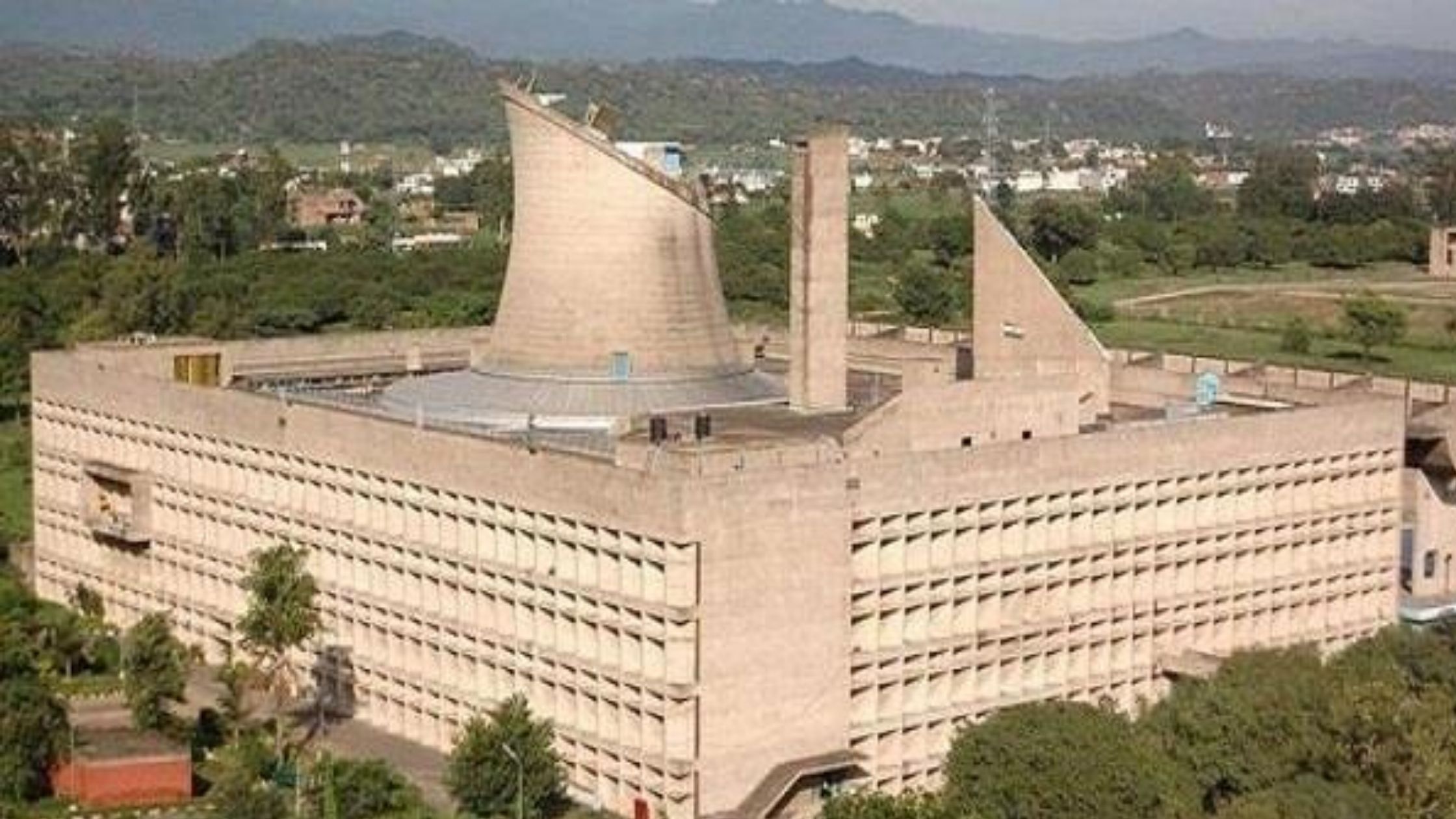
चंडीगढ़, 26 अगस्त- हरियाणा विधानसभा सत्र आज कुल 12 विधेयक पारित किये गए, जिनमें हरियाणा ग्रामीण विकास (संशोधन) विधेयक, 2020, हरियाणा नगरपालिका क्षेत्रों में अपूर्ण नागरिक सुख-सुविधाओं तथा अवसंरचना का प्रबंधन (विशेष उपबंध) संशोधन विधेयक, 2020, हरियाणा लिफ्टस तथा एस्केलेटर अधिनियम (संशोधन) विधेयक, 2020, हरियाणा नगर निगम (संशोधन) विधेयक, 2020, हरियाणा नगरपालिका (संशोधन) विधेयक, 2020, हरियाणा अग्निशमन सेवा (संशोधन) विधेयक, 2020, हरियाणा नगर मनोरंजन शुल्क (संशोधन) विधेयक, 2020, हरियाणा नगरीय क्षेत्र विकास तथा विनियमन (द्वितीय संशोधन तथा विधिमान्यकरण) विधेयक, 2020, हरियाणा राजकोषीय उत्तरदायित्व तथा बजट प्रबंधन (संशोधन) विधेयक, 2020, हरियाणा विनियोग (संख्या 3) विधेयक, 2020, हरियाणा माल और सेवा कर (संशोधन)विधेयक, 2020 तथा हरियाणा मूल्य वर्धित कर (संशोधन) विधेयक, 2020 शामिल हैं।
इसके अतिरिक्त, पंजाब ग्राम शामलात भूमि (विनियमन) हरियाणा संशोधन विधेयक, 2020 भी प्रस्तुत किया गया, जिस पर अगले सत्र में चर्चा करने का निर्णय लिया गया।
हरियाणा ग्रामीण विकास (संशोधन) विधेयक, 2020
हरियाणा ग्रामीण विकास अधिनियम, 1986 में और संशोधन करने के लिए हरियाणा ग्रामीण विकास (संशोधन) विधेयक, 2020 पारित किया गया। अर्थव्यवस्था, जो कोविड-19 के बीच लॉकडाउन के कारण कमजोर हुई है, को मजबूत करने की दृष्टिï से गति देने के लिए अधिसूचित मार्किट क्षेत्र में खरीदने या बेचने या प्रसंस्करण के लिए लाई गई सब्जियों व फलों के बिक्री मूल्य पर एक प्रतिशत की दर से मूल्यानुरूप ग्रामीण विकास शुल्क लगाया जाना प्रस्तावित है इसलिए यह विधेयक पारित किया गया है।
हरियाणा नगरपालिका क्षेत्रों में अपूर्ण नागरिक सुख-सुविधाओं तथा अवसंरचना का प्रबंधन (विशेष उपलब्ध) संशोधन विधेयक, 2020
हरियाणा नगरपालिका क्षेत्रों में अपूर्ण नागरिक सुख-सुविधाओं तथा अवसंरचना का प्रबंधन(विशेष उपलब्ध)अधिनियम,2016 को आगे संशोधित करने के लिए हरियाणा नगरपालिका क्षेत्रों में अपूर्ण नागरिक सुख-सुविधाओं तथा अवसंरचना का प्रबंधन (विशेष उपलब्ध) संशोधन विधेयक, 2020 पारित किया गया है। हरियाणा नगरपालिका अपूर्ण क्षेत्रों में नागरिक सुख-सुविधाओं तथा अवसंरचना का प्रबन्धन (विशेष उपबन्ध) अधिनियम 2016 पालिका सीमाओं में पडऩे वाले उन क्षेत्रों को पहचानने के लिये अधिनियमित किया गया था जहाँ 31 मार्च, 2015 से पूर्व 50 प्रतिशत प्लाटों पर निर्माण किया जा चुका है, ताकि नागरिक सुख-सुविधाओं तथा अवसंरचना प्रदान करने के लिये इन क्षेत्रों का नागरिक सुख-सुविधाओं तथा अवसंरचना अपूर्ण नगरपालिका क्षेत्र घोषित किया जाना है। इस अधिनियम की धारा 4 ‘प्रवर्तन अस्थगित रखना’ एक वर्ष की अवधि के लिए थी, जो 20 अप्रैल, 2017 तक थी। इस विभाग द्वारा एक वर्ष की वैधता के अन्तराल में निम्नलिखित कार्य किये गये।
नगरपालिकाओं से प्रस्ताव प्राप्त करने के लिए 10 जुलाई, 2015 को दिशा-निर्देश जारी किए गए। इसी प्रक्रिया को 16 सितम्बर, 2016,18 नवम्बर,2016 तथा 26 दिसम्बर, 2016 जारी ज्ञापन द्वारा परिचालित किया गया। 4 अक्तूबर, 2016 को जारी आदेश द्वारा विकास शुल्क जारी किए गए। चूंकि अनधिकृत कॉलोनियों को घोषित करने की प्रकिया एक साल में पूर्ण नहीं हो सकी, इसलिए अधिनियम में एक साल की अवधि को दो साल का संशोधन 23 नवम्बर, 2017 की अधिसूचना द्वारा किया गया था। उपरोक्त अधिनियम की वैधता 20 अप्रैल, 2018 तक थी। इसके उपरांत राज्य में पालिका सीमाओं के अन्र्तगत ऐसे नागरिक सुख-सुविधाओं तथा अवसंरचना अपूर्ण नगरपालिका क्षेत्रों के सर्वे की प्रकिया आरम्भ कर दी। कुल 982 कॉलोनियों के प्रस्ताव 80 नगरपालिकाओं से प्राप्त हुये हैं, जिनमें से 528 प्रस्ताव योग्य पाये गये हैं। गुरुग्राम की 15 कॉलोनियां तथा फरीदाबाद की 9 कॉलोनियों को इस अधिनियम के अन्तर्गत 6 दिसम्बर, 2017 को जारी अधिसूचना द्वारा अधिसूचित किया गया।
इसी दौरान अनधिकृत कॉलोनियों की घोषणा के सम्बन्ध में कार्रवाई दो वर्षों के अन्दर पूरी नहीं की जा सकी, इसलिए 19 अप्रैल,2018 की अधिसूचना द्वारा अधिनियम में एक और संशोधन करते हुए समय सीमा को दो वर्ष से तीन वर्ष बढ़ाया गया। संशोधन के अनुसार अधिनियम 20 अप्रैल, 2019 तक वैध था।
इसके बाद नगर निगम, गुरुग्राम और फरीदाबाद की 17 कॉलोनियों, अन्य नगर निगमों की 343 कॉलोनियों, नगरपरिषदों की 106 कॉलोनियों और नगरपालिकाओं की 181 कॉलोनियों को आज तक अधिसूचित किया गया है। 27 सितम्बर, 2018 को विकास शुल्क जारी किये गये थे। उक्त अधिनियम की वैधता को चार वर्षों तक बढ़ाने का संशोधन 21 अप्रैल, 2016 से 20 अप्रैल, 2020 तक विभाग द्वारा सरकार को प्रस्तुत किया गया और उसी को विधान सभा द्वारा अनुमोदित भी किया गया, लेकिन इसे अधिसूचित नहीं किया जा सका। 21 अप्रैल, 2019 से 20 अप्रैल, 2020 की अवधि के दौरान विभाग ने 15 कॉलोनियों की अधिसूचनाएं 18 जून, 2019, 10 सितम्बर, 2019, 17 जनवरी, 2020 अधिसूचित की और विभिन्न निर्देशों को भी जारी किया। चूंकि, संशोधन को अधिसूचित नहीं किया जा सका है। इसलिए अधिनियम की वैधता का विस्तार करना आवश्यक था। इसके अलावा, वर्तमान में लगभग 15 कॉलोनियां हैं, जिनके लिए नगर पालिकाओं से संशोधित प्रस्ताव प्राप्त हुआ है, जिन्हें अभी उक्त अधिनियम के तहत अधिसूचित किया जाना है जिसके लिए भी उक्त अधिनियम की वैधता को विस्तारित करना आवश्यक है। कॉलोनियों की घोषणा से सम्बन्धित सभी कार्रवाई वैधता अवधि के अन्दर पूरी की जानी है. लेकिन यह देखते हुए कि कुछ कॉलोनियों को अभी तक अधिसूचित नहीं किया गया है, जिनमें अधिनियम में निर्दिष्ट वैध अवधि से अधिक समय लगेगा, इसलिए प्रक्रिया को पूरा करने के लिए अधिनियम की धारा 4 में तथित समय अवधि को बढ़ाया जाना था। अत: इस अधिनियम के अनुभाग 4(1) तथा 4(2) में शब्दो तीन साल, को शब्दों पाच साल से बदलने के लिए ये विधेयक पारित किया गया है ताकि ऐसे योग्य क्षेत्रों को नागरिक सुख-सुविधाओं तथा अवसंरचना अपूर्ण नगरपालिका क्षेत्र घोषित करने के लिये दो साल उपलब्ध करवाए जा सके तथा इन क्षेत्रों में मूलभूत सुविधायें प्रदान की जा सकें।
हरियाणा लिफ्टस तथा एस्केलेटर अधिनियम,(संशोधन) विधेयक, 2020
हरियाणा लिफ्टस तथा एस्केलेटर अधिनियम,2008 को आगे संशोधन करने के लिए हरियाणा लिफ्टस तथा एस्केलेटर अधिनियम,(संशोधन) विधेयक, 2020 पारित किया गया है। लिफ्टस तथा एस्केलेटर अधिनियम,2008 की धारा 2 और धारा 5 में संशोधन आम जनता की सुरक्षा को देखते हुए, जब बिजली की आपूर्ति अचानक बंद हो जाती है तो लिफ्ट में फंसने से बचाने के लिए आवश्यक है। उक्त अधिनियम की धारा 5 में तत्कालीन प्रावधान के अनुसार लिफ्टों में बिजली आपूर्ति ठप होने की स्थिति में लिफ्ट में फंसे यात्रियों को बचाने के लिए स्वाचालित बचाव यंत्र का उपयोग अनिवार्य है। इस मामले में जांच की गई और यह सुनिश्चित किया गया कि जब बिजली निकासी होती है तो लिफ्ट एक झटके के साथ तुरन्त दो मंजिलों के बीच में रुक जाती है और फिर 10-15 सैके ण्ड के बाद ए आर डी काम करता है और लिफ्ट केज नजदीकी मंजिल पर लाकर दरवाजे खोल देता है। आपातकालीन बचाव यंत्र पर्याप्त बैकप देगा तथा लिफ्ट केज के दरवाजों को किसी भी मंजिल पर खोलेगा और 15 मिनट विस्तारित समय पर नियमित संचालन में रखेगा। इसलिए विशेष रूप से जान व माल की सुरक्षा के लिए समस्या से निपटने के लिए 15 मीटर से अधिक ऊंचाई वाली ऊंची इमारतों में स्वाचालित बचाव यंत्र के स्थान पर आपातकालीन बचाव यंत्र का उपयोग बेहतर विकल्प होगा। इसलिए यह विधेयक पारित किया गया है।
हरियाणा नगर निगम (संशोधन) विधेयक, 2020
हरियाणा नगर निगम अधिनियम, 1994 को आगे संशोधित करने के लिए हरियाणा नगर निगम (संशोधन) विधेयक, 2020 पारित किया गया। हरियाणा नगर निगम अधिनियम, 1994 की धारा 4 (4) में उपबन्धित के अनुसार नवगठित नगर निगम का प्रथम चुनाव उसके गठन की तिथि से पांच वर्ष की अवधि के भीतर किया जाना आवश्यक है। अत: इस उपबंध के अनुसार नगरनिगम, सोनीपत का चुनाव 5 जुलाई, 2020 तक करवाया जाना अपेक्षित था लेकिन कोविड-19 के कारण इस नगरनिगम का चुनाव नहीं करवाया जा सका। इस उपबंध में संशोधन करके नगरनिगम के गठन की तिथि से पांच वर्ष तथा छ: महीने के भीतर नवगठित नगरनिगम का चुनाव करवाने के लिए सरकार को समर्थ बनाया जाएगा।
इसके अतिरिक्त, इस अधिनियम में सामाजिक, धार्मिक और धर्मार्थ प्रयोजनों के लिए सामाजिक, धार्मिक, धर्मार्थ संस्था, न्यास, सामाजिक संस्थाओं का नगर निगम की भूमि का आबंटन करने का कोई प्रावधान नहीं है। इसके अलावा, नंदीशाला/गऊशाला तथा बेसहारा पशु प्रांगण को पांच एकड़ तक भूमि आबंटित करने का प्रावधान भी शहरी स्थानीय विभाग की नीति में किया गया है। इस संबंध में हरियाणा नगरपालिका सम्पत्ति तथा राज्य सम्पत्ति नियम, 2007 में संशोधन नियम 4(क),4(ख),4(ग) तथा 4(घ) के अतिरिक्त नियम प्रक्रिया में हैं जो कि केवल नगर परिषदों एवं नगरपालिकाओं में लागू हैं। अत: सामाजिक, धार्मिक, धर्मार्थ संस्था, न्यास, सामाजिक संस्थाओं को आबंटन हेतु नगरनिगम भूमि के लिए समरूप प्रावधान किया जाना अपेक्षित है।
हरियाणा नगरपालिका (द्वितीय संशोधन) अधिनियम, 2019 में उपबन्धित किया गया था कि नगरपालिका, जिसमें अध्यक्ष पद सीधे निर्वाचन द्वारा चुने व्यक्ति द्वारा भरा जाएगा, में सभी सीटें शामिल हैं। अधिनियम की धारा 21, जो कि अध्यक्ष या उपाध्यक्ष के विरूद्घ अविश्वास प्रस्ताव के लिए उपबन्धित है, भी संशोधित की गई थी तथा अब अध्यक्ष को नगरपालिकाओं के सदस्यों द्वारा अविश्वास प्रस्ताव से हटाया नहीं जा सकता। तथापि संशोधन अधिनियम, 2019 इस संशोधन से पूर्व विद्यमान उपबन्धों के अनुसार नगरपालिकाओं के सदस्यों द्वारा अध्यक्ष के रूप में निर्वाचित व्यक्तियों के बारे में लगभग परिवर्तित अधिनियम मौन थे। इसके अतिरिक्त, उन व्यक्तियों को, जो संशोधन से पहले निर्वाचित किए हैं, उनके निलम्बन, हटाए जाने या ऐसे सीधे रूप से निर्वाचित व्यक्तियों द्वारा रिक्त की गई रिक्तियों को भरने के बारे में कैसे शासित किया जाना है, इस संशोधन में कुछ भी नहीं बताया गया था। अब बहुत से मामले न्यायालय में आ रहे हैं जहां अविश्वास प्रस्ताव की प्रक्रिया नगरपालिकाओं के अन्य सदस्यों द्वारा उनमें से प्रत्यक्ष रूप से निर्वाचित नगरपालिकाओं के अध्यक्ष के संबंध में संशोधन से पहले या बाद में शुरू की गई थी। 2020 की सिविल याचिका संख्या 9434 शीर्षक सीमा रानी, अध्यक्ष, नगर पालिका, जाखल मण्डी बनाम हरियाणा राज्य तथा अन्य में 13 जुलाई, 2020 को दिये गये निर्णय में मान्नीय न्यायालय ने अवलोकन किया है कि हरियाणा नगर निगम (द्वितीय संशोधन) अधिनियम, 2019 में कोई भी व्यावृत्ति खण्ड नहीं है जो पूर्व संशोधित उपबन्धों में अध्यक्ष के रूप में निर्वाचित व्यक्तियों की स्थिति पर विचार करती हो। तदानुसार न्यायालय ने अध्यक्ष के विरूद्ध अविश्वास प्रस्ताव पर विचार करने के लिए नगर पालिका की बैठक बुलाने के लिए उपायुक्त के आदेश को खण्डित कर दिया है।
नगरनिगम के मेयरों के मामले में हरियाणा नगरनिगम (द्वितीय संशोधन) अधिनियम, 2018 के रूप में समरूप प्रावधान किये गए थे। सुरक्षित पहलू के लिए एक अध्यादेश विधि एवं विधायी विभाग द्वारा जारी किया गया है जिसके द्वारा हरियाणा नगर निगम अधिनियम, 1994 की धारा 421 में दिए गए निरसन तथा व्यावृत्ति उपबंध के लिए उपधारा-3 इस आशय के लिए जोड़ी गई है कि संशोधित अधिनियम के लागू होने से पहले मेयर के रूप में नियुक्त व्यक्तियों की नियुक्ति, निर्वाचन, हटाए जाने या निलम्बन के लिए हरियाणा नगरनिगम (द्वितीय संशोधन) अधिनियम, 2018 में दी गई किसी बात के होते हुए भी इस अधिनियम के लागू होने से पूर्व विद्यमान असंशोधित अधिनियम के उपबंध द्वारा शासित किए जाते रहेंगे। अत: यह संशोधन किया जाना आवश्यक था।
हरियाणा नगरपालिका (संशोधन) विधेयक, 2020
हरियाणा नगरपालिका अधिनियम, 1973 को आगे संशोधित करने के लिए हरियाणा नगरपालिका (संशोधन) विधेयक, 2020 पारित किया गया है। इस समय, हरियाणा राज्य में 22 जिलें स्थापित हैं तथा 21 जिलों में उनके जिला मुख्यालय पर या तो नगर निगम या नगर परिषद अस्तित्व में हैं, जबकि नूंह के जिला मुख्यालय पर नगरपालिका अस्तित्व में है। हरियाणा नगरपालिका अधिनियम, 1973 में उपबन्धित अनुसार नगर परिषद घोषित करने के लिए कम से कम 50 हजार की जनसंख्या अपेक्षित है। जनगणना-2011 के अनुसार नूंह की जनसंख्या 16260 है तथा इसकी वर्तमान जनसंख्या 24390 तक पहुंच गई है। जिला मुख्यालय, नूंह में किए जाने वाले विकास कार्यों की गति बढ़ाने तथा निवासियों बेहतर नागरिक सुख-सुविधाएं मुहैया कराने के लिए इस जिला मुख्यालय पर नगर परिषद होनी आवश्यक है। नगर परिषद के गठन के बाद वरिष्ठ अधिकारियों का समूह कथित प्रयोजन के लिए स्वत: उपलब्ध होगा। इसलिए, नगरपालिका, नूंह को नगर परिषद के रूप में घोषित करने के प्रयोजन के लिए हरियाणा नगर पालिका अधिनियम, 1973 की धारा 2क में संशोधन किया जाना है।
नगर पालिकाओं की आय का मुख्य स्त्रोत कर, फीस, प्रभार या उपकर से उत्पन्न होता है। हरियाणा नगर निगम अधिनियम, 1994 की धारा 130 में सम्पत्ति धारकों से उद्गृहणीय करों या फीसों की वसूली का ढंग विहित है। जबकि हरियाणा नगरपालिका अधिनियम, 1973 में हरियाणा नगर निगम अधिनियम, 1994 की धारा 130 के खण्ड (द्बद्ब) तथा (द्बद्बद्ब) में यथा उपबन्धित वसूली के ढंग का प्रावधान नहीं है। हरियाणा नगरपालिका अधिनियम, 1973 में ऐसे उपबन्धों की अनुपलब्धता के कारण कर दाताओं के विरूद्ध लम्बित विशाल राशि को कारगर रूप से तथा दक्ष रूप से वसूल नहीं किया जा सकता। ये उपबन्ध निश्चित रूप से करों या फीसों या प्रभारों या उपकर की देय राशि वसूल करने के लिए नगर परिषद/पालिकाओं की सहायता करेंगे। इसलिए, हरियाणा नगर निगम अधिनियम, 1994 में उपलब्ध वसूली के पूर्वोक्त ढंग को हरियाणा नगरपालिका अधिनियम, 1973 की धारा 98 के ठीक पश्चात तथा धारा 99 के ठीक पूर्व धारा 98क के रूप में सम्मिलित किया जाना है।
हरियाणा नगर पालिका (द्वितीय संशोधन) अधिनियम, 2019 राज्य विधानमण्डल द्वारा अधिनियमित किया गया है तथा प्रकाशित किया गया है जो 4 सितम्बर,2019 से लागू हुआ है। इस संशोधन अधिनियम द्वारा यह उपबन्ध किया गया है कि अध्यक्ष सहित पालिकाओं में भी सीटें सीधे चुनाव द्वारा चुने गए व्यक्तियों से भरी जायेंगी। अधिनियम की धारा 21 जो अध्यक्ष या उपाध्यक्ष के विरूद्ध अविश्वास प्रस्ताव के लिए उपबन्ध करती है, को भी संशोधित किया गया है तथा अब अध्यक्ष को नगरपरिषदों/नगरपालिकाओं के अन्य सदस्यों द्वारा अविश्वास प्रस्ताव से नहीं हटाया जा सकता। इस संशोधन अधिनियम के द्वारा नगरपरिषदों/नगरपालिकाओं के अध्यक्ष के पद के सम्बन्ध में भी आनुषगिंक संशोधन किए गए है। तथापि, संशोधन अधिनियम, 2019 इस संशोधन अधिनियम से पूर्व विद्यमान उपबन्धों के अनुसार नगरपालिकाओं के सदस्यों द्वारा अध्यक्ष के रूप में निर्वाचित व्यक्तियों के बारे में लगभग परिवर्ती उपबन्ध मौन है। संशोधन से पूर्व विद्यमान उपबन्धों के निरसन तथा व्यावृत्ति तथा उन व्यक्तियों को जो संशोधन से पहले निर्वाचित हुए हैं उनके निलम्बन, हटाए जाने या ऐसे सीधे रूप से निर्वाचित व्यक्तियों द्वारा रिक्त की गई रिक्तियों को भरने के बारे में कैसे शासित किया जाना है, इस संशोधन में कुछ भी नहीं बताया गया है। अब, बहुत से मामले न्यायालय में आ रहे हैं, जहां अविश्वास प्रस्ताव के लिए प्रकिया नगरपालिकाओं के अन्य सदस्यों द्वारा अपने आप में से सीधे रूप में निर्वाचित पालिकाओं के अध्यक्ष के सम्बन्ध में संशोधन से पहले या बाद में शुरू की गई थी। 2020 की सिविल याचिका संख्या 9434 शीर्षक सीमा रानी, अध्यक्ष, नगर पालिका, जाखल मण्डी बनाम हरियाणा राज्य तथा अन्य में 13 जुलाई, 2020 को दिये गये निर्णय में न्यायालय ने अवलोकन किया है कि हरियाणा नगर पालिका (द्वितीय संशोधन) अधिनियम, 2019 में कोई भी व्यावृत्ति खण्ड नहीं है जो पूर्व संशोधित उपबन्धों में अध्यक्ष के रूप में निर्वाचित व्यक्तियों की स्थिति पर विचार करती हो। तदानुसार न्यायालय ने अध्यक्ष के विरूद्ध अविश्वास प्रस्ताव पर विचार करने के लिए नगर पालिका की बैठक बुलाने के लिए उपायुक्त के आदेश को खण्डित कर दिया है।
अब हरियाणा नगरपालिका (द्वितीय संशोधन) अधिनियम, 2019 के लागू होने से पूर्व निर्वाचित अध्यक्षों के विरूद्ध नगर पालिकाओं के सदस्यों द्वारा शुरू की गई अविश्वास प्रस्ताव की कार्रवाई के सम्बन्ध में समरूप दलील उठाई जा रही है। अधिनियम में अध्यक्ष का पद कैसे भरा जाना है, यदि ऐसे व्यक्तियों को उसके पद से हटाया गया है, के सम्बन्ध में कमी भी है।
हरियाणा नगर पालिका (द्वितीय संशोधन) अधिनियम, 2019 के द्वारा कथित संशोधन करने के इस प्रकार के परिणाम के पीछे न तो उद्देश्य था तथा न ही इरादा था। नगर पालिकाओं के अध्यक्ष जो सीधे निर्वाचन के रूप में भविष्य में निर्वाचित किए जाने थे, पर केवल संशोधित उपबन्ध लागू करने का इरादा था। हरियाणा नगर पालिका (द्वितीय संशोधन) अधिनियम, 2019 के लागू होने से पूर्व इस मामले में सीधे रूप से निर्वाचित वर्तमान अध्यक्ष हरियाणा नगर पालिका अधिनियम, 1973 के असंशोधित उपबन्धों द्वारा शासित किए जाने थे जो हरियाणा नगर पालिका (द्वितीय संशोधन) अधिनियम, 2019 के लागू होने से ठीक पूर्व विद्यमान थे।
त्रुटि जो हो गई दिखाई देती है को सुधारने के लिए एक अध्यादेश विधि तथा विधायी विभाग द्वारा17 अगस्त,2020 को अधिसूचना द्वारा प्रख्यायित किया गया है जिसके द्वारा हरियाणा नगर पालिका अधिनियम, 1973 की धारा 279 में दिए गए निरसन तथा व्यावृत्ति उपबन्धों में इस आशय के लिए उपधारा (3) जोड़ी गई है कि संशोधन अधिनियम के लागू होने से पूर्व नियुक्त व्यक्तियों की नियुक्ति, निर्वाचन, हटाया जाना या निलम्बन हरियाणा नगर पालिका (द्वितीय संशोधन) अधिनियम, 2019 में वर्णित प्रावधान के होते हुए भी हरियाणा नगरपालिका (द्वितीय संशोधन) अधिनियम, 2019 के लागू होने से पूर्व विद्यमान अंसशोधित अधिनियम के उपबन्धों द्वारा शासित होने जारी रहेंगे। इसलिए, अब, अध्यादेश के उपबन्धों को हरियाणा विधानसभा का अनुमोदन प्राप्त करने के लिए विधेयक में परिवर्तित किया जाना अपेक्षित है।
हरियाणा अग्निशमन सेवा (संशोधन) विधेयक, 2020
हरियाणा अग्निशमन सेवा अधिनियम, 2009 को आगे संशोधित करने के लिए हरियाणा अग्निशमन सेवा (संशोधन) विधेयक 2020 पारित किया गया है। विधि और विधायी विभाग द्वारा 17 अगस्त, 2020 को जारी अध्यादेश द्वारा रिहायशी उद्देश्य के लिए 16.5 मीटर की ऊंचाई तक के चार-मंजिलों हेतु रिहायशी प्लॉटों पर से छूट प्रदान करने, अग्निशमन योजनाओं और अग्निशमन अनापत्ति प्रमाण-पत्र जारी करने के लिए हरियाणा अग्निशमन अधिनियम, 2009 की धारा-15 में संशोधन जारी किया गया। हरियाणा अग्निशमन अधिनियम, 2009 की धारा-15 की प्रतिस्थापित उप-धारा-(1) के अनुसार ‘‘कोई भी व्यक्ति आवासीय उद्देश्य या 16.5 मीटर से अधिक के आवासीय भवन के अलावा किसी भी उद्देश्य के लिए उपयोग किये जाने वाले भवन का निर्माण करने का प्रस्ताव करता है और 15 मीटर से अधिक के अन्य आवासीय प्रयोजनों के लिए भूखण्ड पर प्रस्तावित ऊंचाई में, जैसाकि ग्रुप हाउसिंग, बहुमंजिला फ्लैट्स, वॉक-अप अपार्टमेंट आदि निर्माण शुरू होने से पहले, नेशनल बिल्डिंग कोड ऑफ इंडिया, आपदा प्रबंधन अधिनियम, के अनुरूप अग्निशमन योजना की मंजूरी के लिए आवेदन करेंगे जोकि आपदा प्रबंधन अधिनियम, 2005(2005 का केन्द्रीय अधिनियम 53) कारखाना, अधिनियम, 1948 (1948 का केन्द्रीय अधिनियम 63) और पंजाब कारखाना नियम, 1952 के मापदण्ड के अनुरूप हो और अनापत्ति प्रमाण पत्र जारी करने हेतु शुल्क निर्धारित किया गया हो।’’
यह प्रावधान नगर नियोजना विभाग, हरियाणा द्वारा हरियाणा भवन संहिता,2017 में पहले ही किया जा चुका है और शहरी स्थानीय निकाय एवं अग्निशमन सेवा, हरियाणा, पंचकूला विभाग को अग्निशमन विभाग के सम्बद्घ अधिनियम एवंं नियमों में कथित प्रावधान करने के लिए अनुरोध किया गया था। अत: हरियाणा अग्निशमन सेवाएं अधिनियम, 2009 की धारा 15 की उप-धारा उप-धारा (1) को प्रतिस्थापित करने हेतु विधि एवं विधायी विभाग द्वारा 17 अगस्त,2020 को जारी अध्यादेश को परिवतर्तित करने हेतु यह विधेयक लाया गया है।
हरियाणा नगर मनोरंजन शुल्क (संशोधन) विधेयक, 2020
हरियाणा नगर मनोरंजन शुल्क अधिनियम, 2019 को संशोधित करने के लिए हरियाणा नगर मनोरंजन शुल्क (संशोधन) विधेयक, 2020 पारित किया गया है। सरकार द्वारा 8 जून,2017 को अधिसूचित हरियाणा माल तथा सेवा कर अधिनियम, 2017 के द्वारा पंजाब मनोरंजन शुल्क अधिनियम, 1955 (1955 का पंजाब अधिनियम, 16) को निरस्त किया गया है। तथापि, यहां अपवाद् पंचायत या नगर पालिका या क्षेत्रीय परिषद या जिला परिषद द्वारा उदगृहीत तथा संग्रहित सीमा में लगाये गये शुल्क के अलावा था। उपरोक्त के दृष्टिगत नगर पालिकाओं में मनोरंजन कार्य कलापों के माध्यम से विचार करने के दृष्टिगत, सरकार ने 27 अगस्त, 2019 को हरियाणा नगर पालिका, मनोरंजन शुल्क अधिनियम, 2019 अधिसूचित किया है। अधिनियम में मुख्य रूप से ‘मनोरंजन में प्रवेश’ के माध्यम से मनोरंजन कार्यकलाप शामिल किए गए हैं जो सिनेमा हाल, प्रदर्शनी, तमाशा मन-बहलाव, खेल क्रीडा या दौड़ है जिसमें व्यक्ति साधारणत: भुगतान पर प्रवेश करते हैं।
सरकार ने अवलोकित किया है कि इस अधिनियम का क्षेत्र वर्तमान समय में डिजीटिल नेटवर्किंग के माध्यम से मनोरंजन के विभिन्न उपलब्ध साधनों अर्थात केवल संचालकों, प्रत्यक्ष गृह संचालकों, विडियो पार्लरों, तालाब पार्लरों तथा आई.पी.टी.वी सेवाओं पर व्यापक रूप से विचार किया जाना अपेक्षित है। सरकार ने अन्य सहित विभिन्न डिजीटल मनोरंजन कार्य कलाप शामिल करने का निर्णय किया है जिसे संशोधन के द्वारा अधिनियम में शामिल किया जाएगा। इसलिए यह विधेयक पारित किया गया है।
हरियाणा नगरीय क्षेत्र विकास तथा विनियमन (द्वितीय संशोधन तथा विधिमान्यकरण) विधेयक, 2020
हरियाणा नगरीय क्षेत्र विकास तथा विनियमन अधिनियम, 1975 को आगे संशोधित करने के लिए हरियाणा नगरीय क्षेत्र विकास तथा विनियमन (द्वितीय संशोधन तथा विधिमान्यकरण) विधेयक, 2020 पारित किया गया। हरियाणा शहरी क्षेत्र विकास तथा विनियमन अधिनियम, 1975 के कुछ प्रावधानों के बारे में साधारण खंड अधिनियम, 1897 की धारा 21 एवं पंजाब साधारण खंड अधिनियम, 1956 की धारा 20 के अंतर्गत स्थापित कानूनी प्रावधानों के संज्ञान में, स्पष्टï वैधानिक प्रावधान करने हेतु तथा कुछ प्रावधानों के बारे में स्पष्टीकरण हेतु वर्तमान विधेयक प्रस्तावित है, जिसके फलस्वरूप, परस्पर विरोधाभाषी न्यायिक निर्णयों से उत्पन्न स्थिति में सामंजस्य स्थापित होगा। अत: उपरोक्त अधिनियमों की धाराओं के अनुरुप हरियाणा शहरी क्षेत्र विकास तथा विनियमन अधिनियम, 1975 में एक नई उपधारा 3क को समायोजित करने के लिए यह विधेयक पारित किया गया है। इनमें धारा 3 की उपधारा (2) के खंड (ड़) को हटाने तथा धारा 3 की उपधारा (2) के खंड (घ) के संशोधन का प्रस्ताव जोकि क्रमश: सभी कॉलोनियों तथा प्लाटिड के अलावा कॉलोनियों के बारे में है, धारा 3 के तहत निदेशक द्वारा जांच करने हेतु जो प्रावधान निरर्थक हो चुके हैं, उनको हटाना शामिल है। धारा 7क के अधीन अधिसूचित क्षेत्र में भूमि के रजिस्ट्रेशन से पूर्व अपेक्षित एन.ओ.सी. ‘दो कनाल’ तथा ‘कृषि भूमि’ के विद्यमान उपबन्धों को अप्राधिकृत कॉलोनियों के विरूद्घ कारगर निवारण करने के लिए उपबन्ध करने के उद्देश्य से ‘एक एकड़’ तथा रिक्त भूमि द्वारा बदला जाएगा। गिफ्ट-डीड के माध्यम से अन्तरण के लिए एन.ओ.सी. की अपेक्षा को भी उसी उद्देश्य से शामिल किया गया है।
हरियाणा राजकोषीय उत्तरदायित्व तथा बजट प्रबंधन (संशोधन) विधेयक, 2020
हरियाणा राजकोषीय उत्तरदायित्व तथा बजट प्रबंधन अधिनियम, 2005 को आगे संशोधित करने के लिए हरियाणा राजकोषीय उत्तरदायित्व तथा बजट प्रबंधन (संशोधन) विधेयक, 2020 पारित किया गया। केनद्रीय वित्त मंत्रालय द्वारा 17 मई, 2020 को जारी पत्र के मद्देनजर हरियाणा राजकोषीय उत्तरदायित्व एवं बजट प्रबन्धन अधिनियम, 2005 में आगे संशोधन अपेक्षित है।
बारहवें वित्त आयोग की सिफारिशों के अनुसार, राज्य सरकार ने राजस्व घाटे को खत्म करने और राजकोषीय घाटे को निर्धारित सीमा तक कम करने के उद्देश्य से 6 जुलाई, 2005 की अधिसूचना के माध्यम से हरियाणा राजकोषीय उत्तरदायित्व एवं बजट प्रबन्धन अधिनियम, 2005, अधिनियमित किया था। इस अधिनियम के अनुसार, वर्ष 2008-09 तक राजस्व घाटे को शून्य पर लाया जाना था और राजकोषीय घाटे की सीमा सकल राज्य घरेलू उत्पाद के अधिकतम तीन प्रतिशत तक रखी गई थी। राजस्व घाटेे को शून्य तक लाने की शर्त में वर्ष 2008-09 तथा वर्ष 2009-10 के लिए ढील दी गई थी। राजकोषीय घाटे के सम्बन्ध में, ऋण समेकन तथा राहत सुविधा (डी.सी.आर.एफ.) के लिए केन्द्रीय वित्त मंत्रालय के दिशा-निर्देशों के मद्देनजर लक्ष्य में वर्ष 2008-09 के लिए सकल राज्य घरेलू उत्पाद के तीन प्रतिशत से 3.5 प्रतिशत तथा वर्ष 2009-10 के लिए सकल राज्य घरेलू उत्पाद के 3.5 प्रतिशत से चार प्रतिशत की छूट दी गई थी। हरियाणा राजकोषीय उत्तरदायित्व एवं बजट प्रबन्धन अधिनियम, 2005 के अनुसार वर्ष 2005-06 से लेकर वर्ष 2009-10 तक आकस्मिक दायित्वों सहित बकाया कुल ऋण की सीमा अनुमानित सकल राज्य घरेलू उत्पाद का 28 प्रतिशत थी।
तेरहवें वित्त आयोग की सिफारिशों तथा केन्द्रीय वित्त मंत्रालय केदिशानिर्देशानुसार राज्य को वर्ष 2011-12 से वर्ष 2014-15 तक राजस्व घाटे को शून्य तथा वर्ष 2010-11 से वर्ष 2014-15 के दौरान राजकोषीय घाटे को सकल राज्य घरेलू उत्पाद के तीन प्रतिशत तक लाने के लक्ष्य को प्राप्त करना था। वर्ष 2010-11 में बकाया ऋण को सकल राज्य घरेलू उत्पाद का 22.4 प्रतिशत, वर्ष 2011-12 में 22.6 प्रतिशत, वर्ष 2012-13 में 22.7 प्रतिशत, वर्ष 2013-14 में 22.8 प्रतिशत तथा वर्ष 2014-15 में 22.9 प्रतिशत रखा जाना था। चौदहवें वित्त आयोग के अनुसार, राज्य को राजस्व घाटेे को शून्य तक लाना, राजकोषीय घाटे को सकल राज्य घरेलू उत्पाद के तीन प्रतिशत तक, बकाया ऋण को सकल राज्य घरेलू उत्पाद के 25 प्रतिशत तक रखना तथा ब्याज भुगतान को कुल राजस्व प्राप्तियों के 10 प्रतिशत तक रखना था।
चालू वर्ष में कोविड-19 महामारी का केन्द्र और राज्य सरकारों, दोनों के संसाधनों पर गंभीर नकारात्मक प्रभाव पड़ा है। राज्यों को महामारी से लडऩे और लोगों को सेवा प्रदान करने के मानकों को बनाए रखने के लिए अतिरिक्त संसाधनों की आवश्यकता है। राज्य सरकारों के हाथों में संसाधनों को मजबूत करने के लिए केन्द्र सरकार ने वर्ष 2020-21 के लिए राज्य सरकारों को अपने सकल राज्य घरेलू उत्पाद के दो प्रतिशत तक की अतिरिक्त ऋण सीमा प्रदान करने का निर्णय लिया है। अतिरिक्त ऋण, जो कि वर्तमान परिस्थिति में न्यायोचित है, दीर्घकालिक ऋण को स्थिरता व कायम रखने के लिए आवश्यक है, ताकि अब लिए गए अतिरिक्त ऋण का भविष्य में प्रतिकूल प्रभाव न पड़े। स्थिरता सुनिश्चित करने के लिए, हमें भविष्य में अपने सकल राज्य घरेलू उत्पाद एवं राजस्वों को बढ़ाने और/या भविष्य में गैर-उत्पादक व्ययों को कम करने की आवश्यकता होगी।
केन्द्रीय वित्त मंत्रालय द्वारा 17 मई, 2020 को जारी पत्र के अनुसार राज्य सरकार चालू वित्त वर्ष 2020-21 के दौरान अपने सकल राज्य घरेलू उत्पाद के तीन प्रतिशत की सीमा से अधिक सकल राज्य घरेलू उत्पाद का दो प्रतिशत अतिरिक्त ऋण राज्य विशिष्ट सुधारों के कार्यान्वयन के अधीन ले सकती है। तदनुसार, हरियाणा राजकोषीय उत्तरदायित्व एवं बजट प्रबन्धन अधिनियम, 2005 में संशोधन किया जाना है। हरियाणा राजकोषीय उत्तरदायित्व एवं बजट प्रबन्धन अधिनियम, 2005 में आगे संशोधन का उद्देश्य राज्य को वित्त वर्ष 2020-21 के दौरान अपने सकल राज्य घरेलू उत्पाद के तीन प्रतिशत की निर्धारित सीमा से अधिक सकल राज्य घरेलू उत्पाद का दो प्रतिशत अतिरिक्त ऋण, जो कि 17172.64 करोड़ रुपये बनता है, लेने हेतु पात्र बनाना है। ऋण सीमाओं में छूट आंशिक रूप से बिना शर्त और आंशिक रूप से सर्शत होगी और यह ऋण एक राष्ट्र एक राशन कार्ड प्रणाली के कार्यान्वयन, कारोबार में सहुलियत के लिए सुधार, शहरी स्थानीय निकाय/निगम सुधार एवं बिजली क्षेत्र में सुधार के लिए होगा। प्रत्येक सुधार का वेटेज सकल राज्य घरेलू उत्पाद का 0.25 प्रतिशत तथा चारों का कुल 1.0 प्रतिशत होगा। सभी राज्यों को 1.0 प्रतिशत की शेष ऋण सीमा 0.50-0.50 प्रतिशत की दो किस्तों में जारी की जायेगी, जिसमें से पहली किस्त तुरन्त बिना शर्त के तथा दूसरी उपरोक्त सुधारों में से कम से कम तीन की बचनबद्घता पर दी जाएगी।
हरियाणा माल और सेवा कर (संशोधन) विधेयक, 2020
हरियाणा माल और सेवा कर अधिनियम, 2017 को आगे संशोधित करने के लिए हरियाणा माल और सेवा कर (संशोधन) विधेयक, 2020 पारित किया गया है। हरियाणा माल और सेवा कर अधिनियम, 2017(अधिनियम) को राज्य सरकार द्वारा माल या सेवाओं या दोनों की अंत:राज्य प्रदाय पर कर लगाने और संग्रह के प्रावधान के दृष्टिगत अधिनियमित किया गया था। 28 अप्रैल, 2020 को प्रकाशित अधिसूचना द्वारा हरियाणा के राज्यपाल ने हरियाणा माल और सेवा कर (संशोधन) अध्यादेश, 2020 (हरियाणा का अध्यादेश संख्या 1) को प्रख्यापित किया था। हरियाणा राज्य विधानमंडल के सत्र में नहीं होने के कारण अध्यादेश जारी किया गया था। महामारी कोविड-19 के फैलने के कारण करदाताओं को आने वाली परेशानियों और कठिनाइयों को दूर करने के लिए राज्य के द्वारा यह किया जाना अति आवश्यक था। इसलिए, हरियाणा माल और सेवा कर अधिनियम, 2017 में समय सीमा के विस्तार सहित कुछ प्रावधानों को शिथिल करने के लिए अध्यादेश जारी किया गया था।
भारत में माल और सेवा कर, कराधान की दोहरी प्रणाली है जिसमें केन्द्रीय सरकार और राज्यों/ केन्द्रशासित प्रदेशों द्वारा एक साथ कर लगाया जाता है। यह आवश्यक है कि जीएसटी के प्रावधानों को केन्द्र के साथ-साथ सभी राज्यों/संघ राज्य क्षेत्रों द्वारा समान रूप से और एक समय पर लागू किया जाए। केन्द्र सरकार ने पहले ही जीएसटी परिषद की सिफारिशों पर वित्त अधिनियम, 2020 द्वारा केन्द्रीय माल और सेवा कर अधिनियम, 2017 में कुछ संशाधनों को प्रभावित कर दिया था। इसलिए, हरियाणा राज्य के लिए इन संशोधनों को लागू करना आवश्यक था ताकि जब आवश्यक हो, राज्य संशोधन लागू करने के लिए तैयार रहे। इसलिए, हरियाणा माल और सेवा कर (द्वितीय संशोधन)अध्यादेश, 2020 (2020 का हरियाणा अध्यादेश संख्या 3) को हरियाणा के राज्यपाल ने 13 अगस्त, 2020 को प्रकाशित अधिसूचना संख्या लैज.19/2020 द्वारा प्रख्यापित किया था। अध्यादेश में शामिल संशोधनों में, अन्य बातों के साथ-साथ विद्यमान विधि के अधीन कतिपय उपयोग न किए गए प्रत्यय के संदर्भ में इनपुट कर प्रत्यय का लाभ उठाने के लिए समय सीमा और रीति निर्धारित करने के लिए धारा 140 में संशोधन शामिल है। संशोधनों में धारा 172 में संशोधन भी शामिल है जिसके तहत सरकार द्वारा कठिनाई का निवारण करने के लिए आदेश (आर.ओ.डी.) पारित करने की समय अवधि तीन साल से बढ़ाकर पांच साल कर दी गई थी। यह सरकार को हरियाणा माल और सेवा कर अधिनियम, 2017 के प्रावधानों को प्रभावी करने में आने वाली कठिनाइयों को दूर करने के उद्देश्य से 30 जून, 2022 तक आदेश जारी करने में सक्षम करेगा।
हरियाणा माल और सेवा कर (संशोधन) अध्यादेश, 2020 (2020 का हरियाणा अध्यादेश संख्या 1) और हरियाणा माल और सेवा कर (द्वितीय संशोधन) अध्यादेश, 2020 (2020 का हरियाणा अध्यादेश संख्या 3) को नियमित करने के लिए वर्तमान विधेयक पारित किया गया।
हरियाणा मूल्य वर्धित कर (संशोधन) विधेयक, 2020
हरियाणा मूल्य वर्धित कर अधिनियम, 2003 को आगे संशोधित करने के लिए हरियाणा मूल्य वर्धित कर (संशोधन) विधेयक, 2020 पारित किया गया।
भारत सहित दुनिया के कई देशों में कोविड-19 महामारी के फैलाव के कारण लगे लॉकडाउन और देशव्यापी प्रतिबंध के कारण लॉकडाउन अवधि में वर्ष 2016-17 के कर निर्धारण या अन्य कार्यवाही को नियत तिथियों तक अंतिम रूप दिए जाने का कार्य पूरा नहीं हो सका था। इसलिए इस समय मूल्य वर्धित कर अधिनियम,2003 में दी गई समय संबंधी अवधियों को बढ़ाने की आवश्यकता थी ताकि लंबित कार्यवाही पूरी की जा सके और किसी भी कार्यवाही को शुरू करने की आवश्यकता को अंतिम रूप दिया जा सके। इस उद्देश्य को पूरा करने के लिए मूल्य वर्धित कर अधिनियम, 2003 में एक नई धारा 18क के रूप में डाल कर पूरी की गई। चूंकि तब हरियाणा विधान सभा का सत्र नहीं चल रहा था, इसके लिए राज्यपाल द्वारा एक अध्यादेश 5 अगस्त, 2020 को पारित किया गया । इस निर्णय अनुसार हरियाणा मूल्य वर्धित कर (संशोधन) अध्यादेश, 2020 (2020 का हरियाणा अध्यादेश संख्या 2) को क्रियान्वित करना आवश्यक था।
हरियाण विनियोग (संख्या 3) विधेयक, 2020
यह विधेयक मार्च, 2021 के इकतीसवें दिन को समाप्त होने वाले वित्त वर्ष के दौरान सेवाओं के लिए हरियाणा राज्य की संचित निधि में से कतिपय राशियों के भुगतान और विनियोग का प्राधिकार देने के लिए पारित किया गया।
भारत के संविधान के अनुच्छेद 204 (1) तथा 205 के अनुसरण में वित्त वर्ष 2020-21 के खर्च के लिए विधानसभा द्वारा दिए गए अनुपूरक अनुदानों को पूरा करने के लिए हरियाणा राज्य की संचित निधि में से अपेक्षित राशि के भुगतान एवं विनियोग का प्राधिकरण देने के लिये हरियाणा विनियोग (संख्या 3) विधेयक, 2020 पारित किया गया।