हिंदी
हिंदी
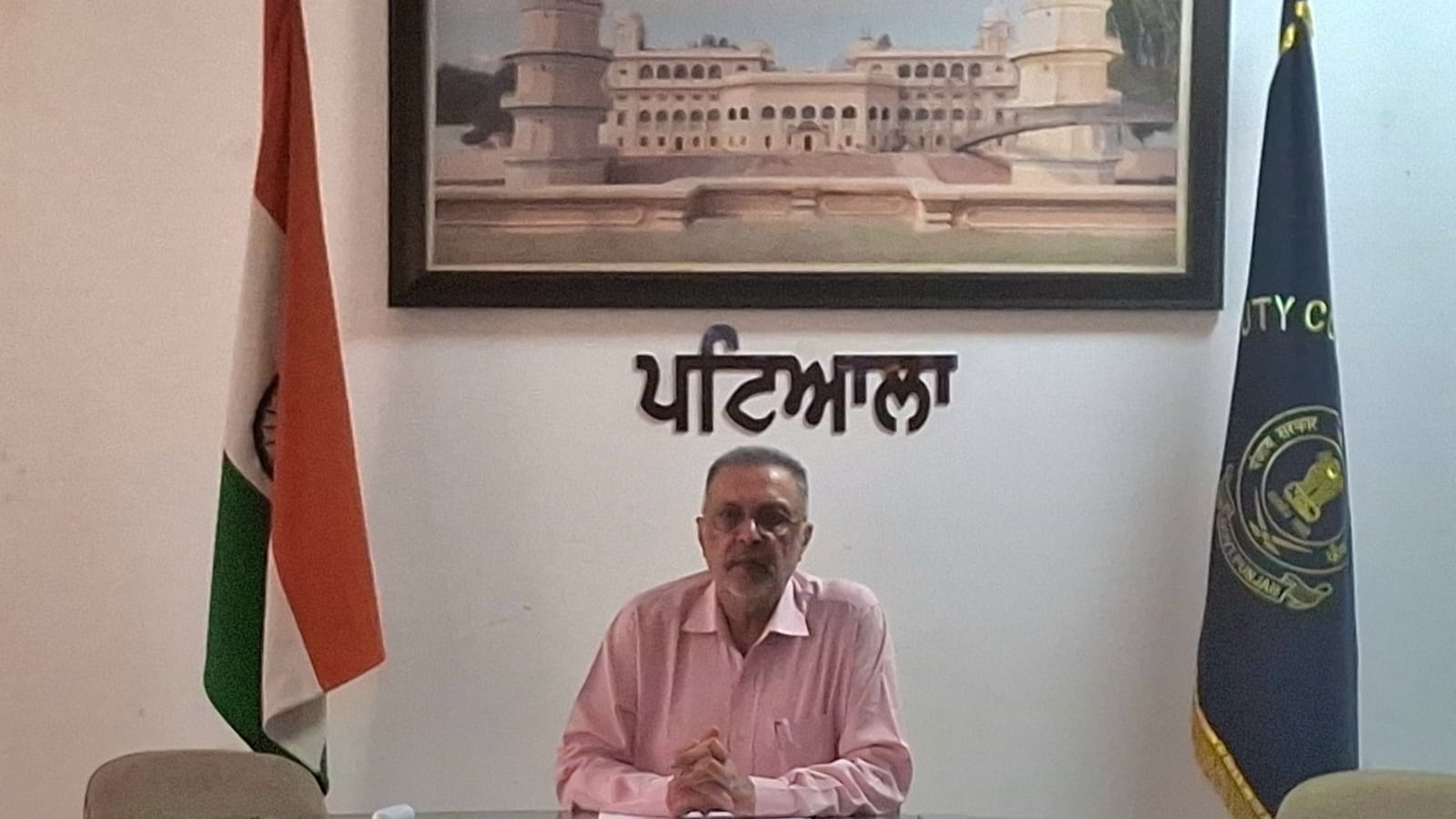
— Health Minister Dr. Balbir Singh addresses a state-level workshop on ‘Tech Interventions for Maternal Mortality Reduction’
— Announces Statewide Scale-Up of Life-Saving Interventions to Curb Maternal Deaths
CHANDIGARH, December 23, 2025
In a significant step to bolster women’s healthcare as per the commitment of Chief Minister Bhagwant Singh Mann, Punjab Health and Family Welfare Minister Dr Balbir Singh on Tuesday announced the statewide expansion of proven technology-based interventions at government health facilities to reduce the Maternal Mortality Rate (MMR) in the state.
Addressing a state-level workshop on ‘Tech Interventions for Maternal Mortality Reduction’ organised under Mission Tandrust Punjab, supported by Directorate of Environment & Climate Change, the health minister said the state would adopt every proven technological solution to curb maternal deaths, particularly those caused by post-partum haemorrhage (PPH). Punjab currently records an MMR of 95 per one lakh live births, compared to the national average of 88.
“I urge all medical officers to adopt best clinical practices so that Punjab can achieve the Sustainable Development Goal target of reducing MMR to 70,” said Dr Balbir Singh, while emphasising healthcare professionals and program officers to work together. He further stressed that nutritional guidance for pregnant women as well their health monitoring should be prioritised at an early stage.
The workshop was organised by the Punjab State Council for Science and Technology (PSCST) in collaboration with AIIMS Bathinda and the Department of Health and Family Welfare, Punjab, at Chandigarh. Er Pritpal Singh, Executive Director (PSCST) highlighted that pilot implementation of Non-Pneumatic Anti-Shock Garments (NASG) and Uterine Balloon Tamponade (UBT) at delivery points of 12 districts of Punjab in Phase I and II has helped save more than 300 mothers suffering from critical PPH conditions, underscoring the need for scaling up these interventions across the state.
Director Health Services (Family Welfare) Punjab, Dr Aditi Salaria stressed early identification of danger signs, standardised referral protocols and timely intervention. She emphasized healthcare professionals especially gynaecologists and ANMs to take this initiative further in focused manner.
The Project Leaders, Dr Lajya Devi Goyal, Dean Research (AIIMS Bathinda) and Dr Dapinder Kaur Bakshi, Joint Director (PSCST) shared insights on district-level implementation, availability of life-saving devices at delivery points and hands-on training of healthcare workers, which led to a marked reduction in maternal complications.
During the workshop, Dr Parneet Kaur, Professor (GMC Patiala) and Dr Parveen Rajora, Professor (GMC Faridkot) shared their experiences on clinical outcomes and field-level experiences in their respective districts. Further, the experts provided hands-on training on NASG and UBT to the health professionals present in the Workshop.
Other dignitaries include Dr. Jaswinder Singh, Civil Surgeon (Patiala) and Dr. Harpreet Kaur, Assistant Director (DHF&W). The workshop witnessed participation of doctors, gynaecologists, nurses and health officials from all 23 districts of Punjab.