हिंदी
हिंदी
District Authorities Directed to Reinforce Old Age Homes, Helplines and Elder Care Mechanisms
Chandigarh, 7 May 2026
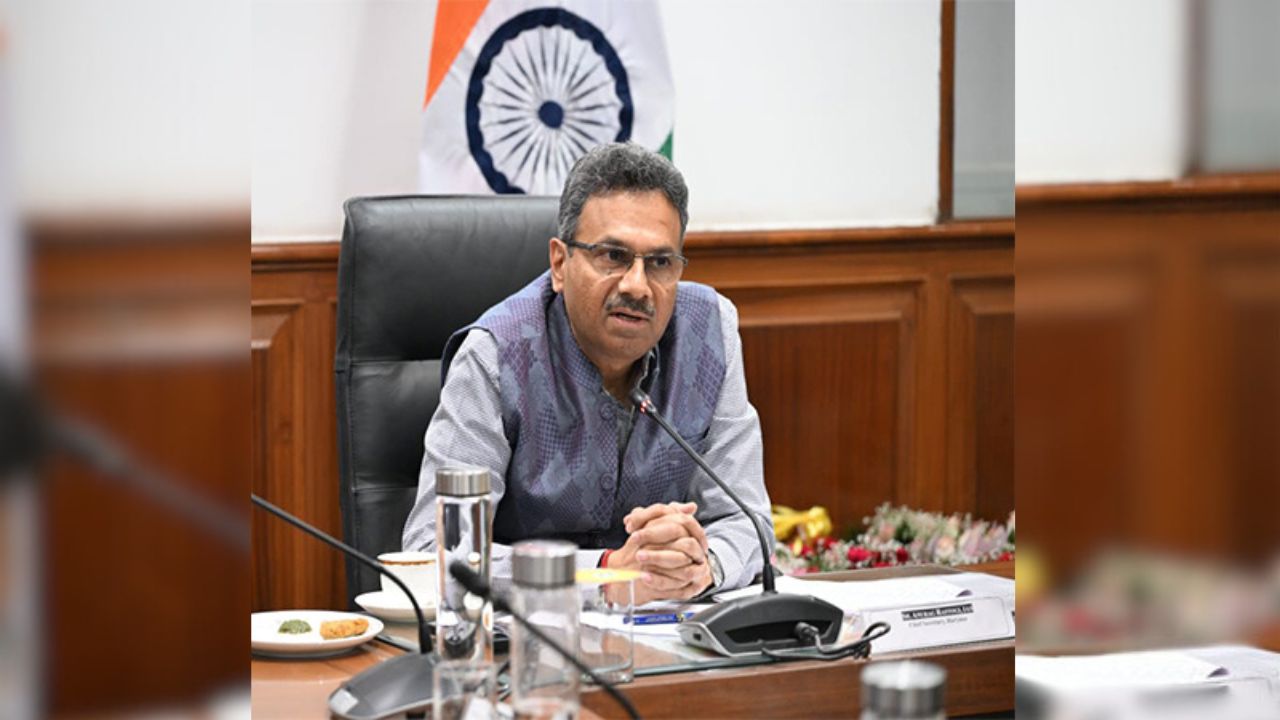
Haryana Chief Secretary Sh. Anurag Rastogi on Thursday called upon Deputy Commissioners, Sub-Divisional Magistrates (SDMs) and district authorities across the state to become fully sensitised to the provisions of the law and discharge their responsibilities towards senior citizens with compassion, commitment and accountability. He stressed the need for timely intervention and continuous monitoring to ensure dignity, care and social security for the elderly.
The Chief Secretary was addressing a state-level workshop on the Maintenance and Welfare of Parents and Senior Citizens Act, 2007 and the Haryana Maintenance of Parents and Senior Citizens Rules, 2009. Organised by the Social Justice, Empowerment, Welfare of Scheduled Castes Backward Classes and Antyodaya (SEWA) Department, the workshop was attended by Deputy Commissioners, SDMs, legal experts, representatives of welfare organisations and several individuals actively engaged in elderly care initiatives across Haryana.
Highlighting the changing social structure, Sh. Rastogi observed that the gradual transition from joint family systems to nuclear families has significantly altered traditional support mechanisms for the elderly. He said many senior citizens today are either dependent on a single child or living alone, making institutional safeguards and effective implementation of welfare laws more important than ever before.
He noted that the very need for such legislation emerged only in recent decades as social and family dynamics evolved rapidly. “This law is not merely a legal mechanism to ensure financial support for elderly parents, but a broader social and moral commitment to guarantee respect, dignity, healthcare, shelter and emotional security to senior citizens,” he said.
Sh. Rastogi emphasised that the provisions of the Act and the rules framed under it must be implemented sincerely and in the true spirit in which they were enacted. He added that awareness campaigns, workshops and sensitisation programmes play a vital role in strengthening understanding of the law and ensuring timely disposal of cases concerning senior citizens.
Additional Chief Secretary, SEWA Department, Smt. G. Anupama said that while maintaining law and order and handling administrative responsibilities remain important functions of civil servants, ensuring social justice is equally critical and far more sensitive in nature. She said social justice forms the foundation of humane governance and officers must approach such responsibilities with empathy and dedication.
Officials informed during the workshop that the rules provide for active participation of social workers and NGO representatives within the tribunal system. Conciliation Officers associated with welfare organisations assist in amicable settlement of family disputes involving senior citizens and are provided honorarium for successful settlements. NGO representatives are also included in Maintenance Tribunals and Appellate Tribunals to ensure that social sensitivity remains central to the justice delivery process.
Reviewing the Annual Progress Report for 2025, officials revealed that maintenance allowances were granted to 177 elderly citizens during the year.
The workshop also elaborated upon the functioning of the Maintenance Tribunal system under the Act. Senior citizens unable to maintain themselves can file applications before tribunals by paying a nominal fee. Tribunals are empowered to order monthly maintenance of up to ₹10,000 and may also grant interim maintenance during the pendency of proceedings. In cases of non-compliance, authorities are empowered to initiate recovery proceedings and even imprisonment against defaulting respondents.
Special focus was laid on abandoned and indigent senior citizens earning less than ₹1,500 per month. District Magistrates were informed that they are empowered to refer such cases to tribunals suo motu without waiting for formal complaints from the affected persons.
The Chief Secretary also directed district authorities to strengthen old age homes, senior citizen clubs, emergency shelter facilities, healthcare support systems and district-level helplines for elderly citizens. He further emphasised the need to ensure registration and regular monitoring of all government and non-government old age homes operating in the state.
Director, SEWA Department, Sh. Prashant Panwar, Joint Director Sh. Arpit Gahlawat and other senior officers were also present during the workshop.